
Brussels, 17 June 2026
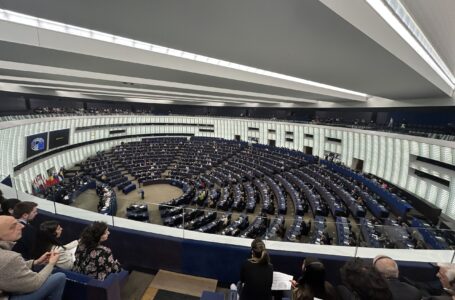
The International Federation for Rights and Development (IFRD) condemns in the strongest terms the xenophobic rhetoric that marked plenary proceedings in the European Parliament surrounding the adoption of the Return Regulation, and expresses grave alarm at the substance of the text itself, which was approved on 17 June 2026 by 418 votes in favour, 218 against and 30 abstentions, under the stewardship of rapporteur Malik Azmani (Renew Europe).
IFRD recognises Member States’ legitimate interest in functioning, lawful return systems. That is not what was voted. What was voted is a text built through an alliance between centre-right forces and far-right parties — including formations that campaign openly on anti-migrant platforms — a realignment that several MEPs and civil society observers have described as the breaking of the Parliament’s long-standing cordon sanitaire against the far right. IFRD shares that assessment and regards it as a dangerous precedent for the EU’s institutional culture as much as for its migration policy.
A Text That Fails Children
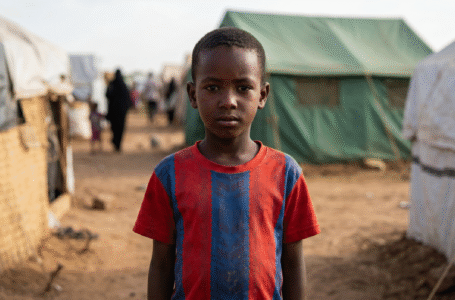
Most gravely, the Regulation opens the door to the detention of children and the removal of families to detention or “return” centres in third countries with which they may have no genuine connection. Provisions safeguarding families with children, championed by some MEPs during negotiations, were weakened or stripped from the final compromise. IFRD considers the detention of minors for administrative migration purposes to be incompatible with the best interests of the child as enshrined in the UN Convention on the Rights of the Child, to which every EU Member State is a party, and with the Charter of Fundamental Rights of the European Union.
The Regulation further legalises offshore “return hubs,” expands detention powers, permits home raids and searches modelled on practices IFRD considers incompatible with European human rights standards, and removes the automatic suspensive effect of appeals — stripping individuals, including children, of an effective remedy before removal can take place.
Rhetoric Has Consequences
IFRD is equally troubled by the language that accompanied this vote. References by some Members to the dismantling of legal protections as a victory, and the normalisation of framing that treats migrants and asylum seekers — including children — as threats to be managed rather than persons holding rights, contribute directly to a climate of hostility that extends well beyond the chamber. Words used on the floor of the European Parliament carry institutional weight; when they trade in dehumanising language, they legitimise xenophobia in the public sphere and embolden those who act on it.
IFRD has worked within and alongside the European Parliament for five years on human rights issues across the MENA region, including Syria, Sudan, Gaza, Tunisia, and the Gulf. We say plainly that an institution capable of leading on human rights abroad cannot do so credibly while normalising the detention of children and xenophobic discourse within its own walls.
IFRD Calls on the European Parliament and EU Institutions To:
- Publicly and unequivocally reject xenophobic and dehumanising rhetoric used in plenary debate, and reaffirm, through the Conference of Presidents, the Parliament’s institutional commitment to non-discrimination under Article 21 of the Charter of Fundamental Rights;
- Ensure that the absolute prohibition on the detention of children for migration-related purposes is restored and explicitly guaranteed during the regulation’s implementation, transposition, and any subsequent trilogue or delegated act;
- Mandate independent, child-rights-competent monitoring of any facility — within the EU or in third countries — where minors or families with children may be held or processed under the new rules;
- Guarantee effective, suspensive judicial remedy for all persons subject to return decisions, with particular safeguards for unaccompanied minors and family units;
- Condition any future “return hub” or third-country arrangement on binding, verifiable fundamental rights guarantees, with no derogation for cases involving children; and
- Task the relevant Parliamentary committees, including LIBE and FEMM, with a formal review of plenary conduct and language during this debate, consistent with the Parliament’s own 2024 call to criminalise hate speech and hate crime under EU law.