Brussels, 20 May 2026
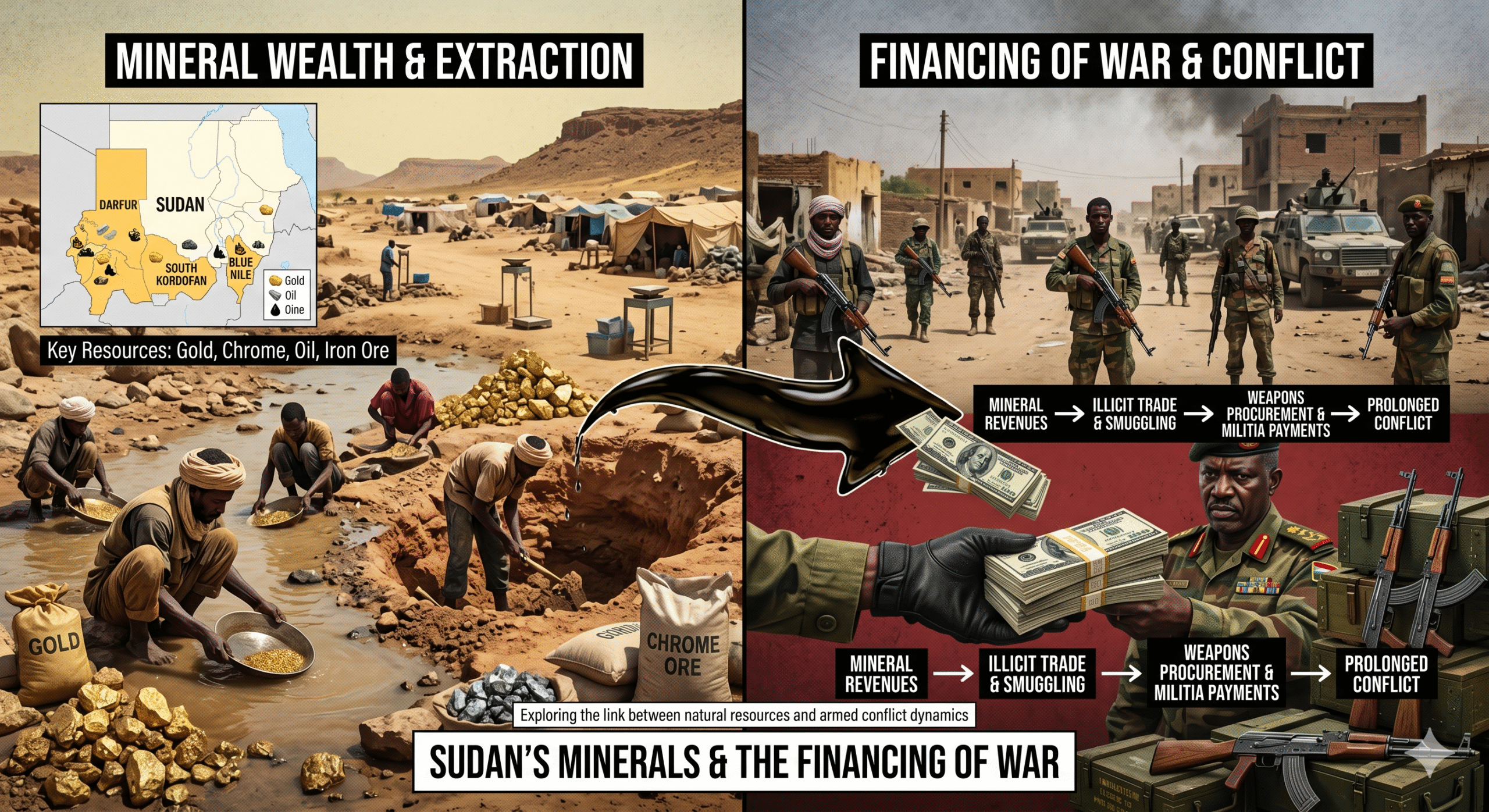
The International Federation for Rights and Development (IFRD) today published a new policy white paper, Sudan’s Minerals, Foreign Licenses, and the Financing of War, examining how foreign mining concessions in Sudan are helping sustain the war economy and strengthen the Sudanese Armed Forces’ revenue base.
The paper argues that Qatar’s planned return to large-scale mining in Sudan is not an isolated commercial development, but part of a wider pattern in which foreign governments and companies secure extraction rights from SAF-controlled authorities while licensing revenues, investment flows, and associated infrastructure reinforce a belligerent party’s war-financing capacity.
At the centre of the white paper is the case of Qatar Mining, which has publicly confirmed an imminent return to operations through its subsidiary QMSD, including the Jebel Ohier copper-gold project in Red Sea State with an expected investment value of around USD 800 million. The paper also highlights the March 2025 announcement of a new Sudan-Qatar investment vehicle anchored in gold, including a dedicated refinery in Doha for Sudanese exports, which it describes as creating a direct financial pipeline from SAF-controlled mining zones into external sovereign infrastructure.
IFRD warns that these arrangements must be understood in the context of Sudan’s wider war economy. The white paper states that the SAF oversees a military-linked mining structure operating across Red Sea, Northern, and River Nile states, with revenues flowing through the Sudanese Mineral Resources Company, which the paper describes as the SAF’s de facto fiscal instrument for the sector. Citing recent reporting and policy analysis referenced in the brief, the paper notes that SAF mining revenue reached USD 1.6 billion in 2024, while 65 tonnes of gold were produced in SAF-controlled zones and an estimated USD 2 billion in Sudanese gold is smuggled annually through external networks.
“Sudan’s mineral wealth must not be converted into a war chest. Foreign licenses, refinery deals, and wartime concessions may appear technical or commercial, but in practice they risk underwriting armed violence while civilians bear the cost of displacement, hunger, and impunity.”
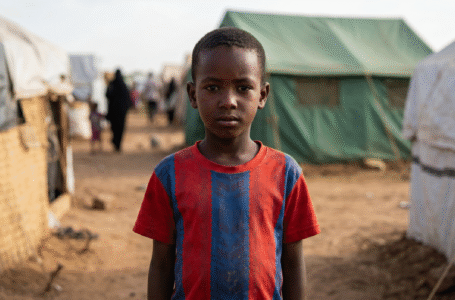
The white paper maps a broader network of foreign actors active in Sudan’s wartime mineral sector, including Russian, Chinese, Australian, Moroccan, and Jordanian-linked entities operating through concessions, refining arrangements, or export channels in SAF-controlled territory. It argues that these activities are helping normalize commercial engagement with a conflict economy at a time when Sudan is facing the world’s largest displacement crisis, with 14.2 million people displaced and humanitarian needs vastly outpacing available funding.
IFRD calls on the European Commission, the European External Action Service, and EU member states to treat SAF-linked mineral licensing as a conflict-financing issue requiring urgent scrutiny. The organization urges targeted sanctions on SAF-linked mining entities, direct EEAS engagement with Qatar, stronger UN investigation of mineral licensing as a war-financing mechanism, and enhanced due diligence on imports of Sudanese gold, copper, and chrome under the EU Conflict Minerals Regulation framework.
The publication is intended as a policy intervention for European and international decision-makers. It argues that resource diplomacy cannot be separated from civilian protection, accountability, and the economic drivers of war.
Contact: info@ifrd.be | www.IFRD.be